
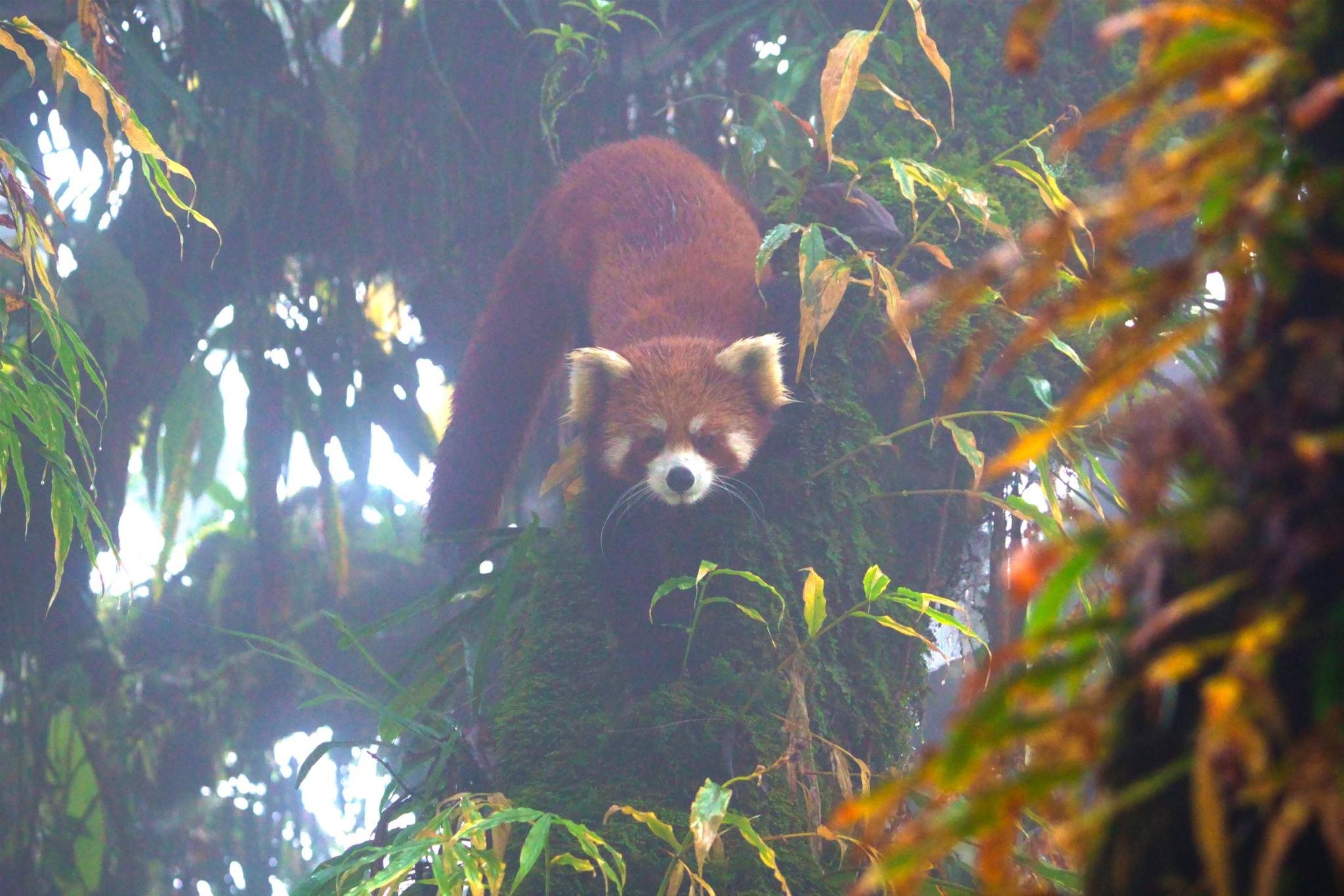
Chasing Red: A Photographic hunt of Elusive Red Pandas in Nepal
A Photographic hunt of Elusive Red Pandas in Nepal .
Nepal is one of the countries where red pandas (Ailurus fulgens) can be found in the wild. Red pandas inhabit the eastern and central Himalayan regions of Nepal, particularly in the mountainous and forested areas. These areas provide the necessary habitat for red pandas, which includes temperate forests with an abundance of bamboo, their primary food source. The red panda is listed as vulnerable by the International Union for Conservation of Nature (IUCN). In Nepal, as in other parts of its range, the red panda faces threats such as habitat loss due to deforestation, fragmentation, and human activities. Conservation efforts are underway to protect and preserve their habitats.Red pandas are found in the high-altitude forests of Nepal, especially in the eastern region in Ilam and central region in Langtang National park of the country. These regions are characterized by the presence of bamboo forests, which are crucial for the red panda's diet and habitat.
Photographing red pandas in their natural habitat poses several challenges, given their elusive and often solitary nature. Here are some challenges you might encounter when trying to capture images of red pandas in the wild:
- Shy and Nocturnal Behavior:
- Red pandas are generally shy and solitary animals. They are most active during dawn and dusk, making it challenging to spot and photograph them during daylight hours. Their nocturnal behavior can limit the opportunities for good lighting conditions.
- Arboreal Lifestyle:
- Red pandas spend much of their time in trees, navigating through branches and foliage. Capturing clear and unobstructed images can be difficult due to the dense vegetation in their habitat.
- Remote and Difficult Terrain:
- Red pandas inhabit mountainous and remote regions, which may require strenuous hikes and travel through challenging terrain. Accessing these areas with photography equipment can be physically demanding.
- Bamboo Forests:
- Red pandas rely heavily on bamboo for food and shelter. While bamboo forests are their preferred habitat, the thick vegetation can obstruct clear views and make it challenging to locate and photograph them.
- Limited Habitats:
- Red pandas have specific habitat requirements, and they are vulnerable to habitat loss due to deforestation and human activities. Finding suitable locations where red pandas are present and undisturbed can be a challenge.
- Conservation Concerns:
- Conservation efforts to protect red pandas may restrict access to certain areas to minimize disturbance to the animals. This can pose challenges for photographers who need to balance their desire to capture images with the need to respect conservation guidelines.
- Weather Conditions:
- The high-altitude regions where red pandas live may experience unpredictable weather conditions. Fog, rain, or snow can further complicate photography, affecting visibility and camera equipment.
To overcome these challenges and increase the likelihood of capturing stunning images of red pandas, consider the following tips:
- Patience and Persistence: Be prepared to spend extended periods in the field, as red pandas may not appear immediately.
- Knowledge of Behavior: Understanding the behavior of red pandas can help you anticipate their movements and increase your chances of getting the shot.
- Long Telephoto Lenses: Use long telephoto lenses to capture distant or high-up subjects without disturbing them.
- Low-light Photography Equipment: Invest in equipment capable of capturing quality images in low-light conditions, as red pandas are often active during dawn or dusk.
Ultimately, photographing red pandas in their natural habitat requires a combination of field skills, knowledge of the species, and a deep appreciation for the challenges involved in wildlife photography.